Helping People Rediscover their Strength, Confidence, and Joy through Fun, Safe, Effective Exercise.
Author: Kayla Goldwag
Kayla Goldwag is a Certified Personal Fitness Trainer who loves helping women move better, gain confidence, have more energy, lose weight, work around injuries, regain range of motion after mastectomies, gain muscle tone & feel good in their bodies. She has also taught Kickbox-cardio, Bootcamp, TRX, Pre & Post-natal, and a variety of Toning and Stretching classes in Los Angeles. When not training or writing about training, she keeps busy wrangling her headscarf collection, talking back to her teenagers, and performing courageous acts of laundry origami. She can also be reached via Facebook/getfitwithkayla and on GetFitWithKayla.com
Intense desires for specific foods (AKA cravings) can be caused by psychological stress, depression, hormone imbalances, some medications, lack of sleep, as well as physical conditions like diabetes. While I’m definitely not saying sugar is to be banned, moderation might take some planning and strategizing.
The brilliantly designed body is pre-programmed for survival. So when we are stressed or depressed we may crave sugar which stimulates dopamine, which is known as the “feel-good hormone” or “pleasure chemical.” Eating sugar also releases serotonin, another feel-good hormone.
Further, we can drive the connection of the sweet food with the unpleasant mood by giving into it regularly when we feel that emotion and further cement that memory. We can create habits.
While you might feel better at the moment, overindulging in sweets to cope with stress can have long term physical consequences. There are also emotional consequences. Over time, a high-sugar diet may worsen symptoms of depression (especially if you tend to feel guilty about having or “giving in” to cravings).
One way to manage these cravings is simply the practice of becoming more aware of your emotional triggers for eating. The next time you pick up a “comfort food,” stop and ask yourself why you’re reaching for it.
Feeling sad, anxious, or lonely? Identify your feelings, then pause and reflect on the action you usually take (such as reaching for a sweet treat). Try replacing comfort food with another comforting, enjoyable activity, such as going for a walk, taking a warm bath, or curling up with a good book.
Sometimes, you might realize that you’re not particularly upset—but just bored. Eating is a physical, emotional, and often a social activity, so it makes sense to pursue it if you need some stimulation.
Other techniques include not having trigger foods in the house/making them more difficult to access, being sure to eat regular meals at reasonable intervals and not skip meals, and get adequate sleep and hydration.
Fruits such as bananas, grapes, mangoes, dates, and berries contain fiber and that can make you feel more full longer. Fiber is also found in oats, leafy greens etc.
Tryptophan is naturally found in protein-rich foods such as seafood, eggs, and poultry. Its a precursor to serotonin- the feel good hormone. Maybe if your need for serotonin is fulfilled by consuming these particular more nutrient-dense foods that contain tryptophan, there will be fewer cravings for intense sweetness.
Of course, this discussion wouldn’t be complete if I didn’t mention the importance of exercise in both maintaining a good mood, hormone levels and blood sugar.
If you would like to learn more personalized strategies for having a healthy relationship with food you can book a 1:1 nutrition coaching session. If you need more help getting joyful movement into your life regularly then I’m here for you with group and personal fitness training.
Oftentimes we think there’s so much to do to in the days and weeks preparing for the Jewish High Holidays that we simply won’t have time for exercise.
Even the most disciplined women find it difficult to maintain their exercise routines due to schedule and eating changes during Rosh Hashanah, Yom Kippur, and Sukkot.
As a personal trainer, even I struggle with keeping up my exercises during this time. However, it can be done. I’m going share the strategy and mindset that my training clients and I use. It’ll help you emerge renewed and re-energized about working out.
Set workout goals for the year
My religious teachers recommended using a notebook dedicated to logging what spiritual changes I wished to make in the coming year before each Rosh Hashanah.
I also track similar goals for my nutrition and exercise in a notebook. With your objectives in writing, you can re-read and re-evaluate them during the year to keep yourself accountable.
Schedule your workouts
Source: Bendiful Blog
I put my workout into my schedule as if it were any other kind of appointment. If your lifestyle defies regular appointment style scheduling, do your exercise intermittently around the tasks of the day.
For instance, perform 10 squats at the top of every hour, or three modified push-ups before switching cleaning tasks. If you don’t have time for a regular 30-60 minute workout, know that even 5-10 minutes of exercise in a day is better than nothing.
Work out whenever, wherever
You do not need a gym in order to work out! My favorite exercises when I’m in a time crunch are body weight based moves like push-ups, planks, crunches, and squats because they can be done virtually anywhere, with minimal space, and no equipment.
Walking while introspecting is a great way to prepare for the seriousness of the Jewish High Holidays, and getting outside in the sunshine is one of the best ways to reset your internal clock and lift your mood.
Work out with the family
Source: Today
Got kids? Jump rope and tag can be fun full-family activities. Hiking, biking, and boating are ways to stay active on Chol HaMoed followed by stretch out time in the Sukkah.
Give yourself some slack
One of the beautiful things about the Jewish tradition is that by observing the holidays we’re practically forced into some degree of moderation which is, in itself, a key to good health. Know it is OK to take a break! Our creator made us perfectly imperfect. Nobody stays on track all the time.
If your exercise needs to take a break for a few days or you eat a little more, don’t beat yourself up about it. Instead, remind yourself that taking care of your health by exercising is a way to show yourself love, not to punish yourself, and get back on track as soon as you can.
Now, here are some exercise ideas for the Jewish High Holidays.
Squat
Begin standing with feet facing forward. Legs shoulder width apart.
Shift your weight into your heels and inhale as you sit into an imaginary chair. Working within your comfortable range of motion, try to get your thighs parallel to the floor while keeping your knees behind your toes. Exhale as you stand to complete the movement.
This exercise strengthens the top of the thighs and buttocks.
To progress this exercise to a more advanced/level 2 option, it can be performed as a Jump Squat instead. Begin as above. Standing. Feet shoulder width apart. Shift weight into your heels. Inhale as you sit into an imaginary chair. Aim to make your thighs parallel to the floor. Don’t be shy about sticking your butt out to keep your knees behind the toes. Exhale as you jump.
Bridge
This exercise targets the hamstrings and glutes. Begin lying on the floor on your back. Feet flat on the floor. Legs hip width apart. Exhale as you squeeze your glutes and raise your hips off the floor. Inhale as you lower the hips back toward the door low enough that you could slide a piece of paper between your tush and the floor but don’t let your tush hit the floor. Repeat.
Plank
Planking targets the core. Begin prone (on your tummy). Elbows directly under shoulders. Toes flexed ball of the foot on the floor. Exhale as you draw your belly button toward your spine. Create space under your arm pits. Firm your glutes. Relax the shoulders back and down away from your ears. Lengthen through the crown of the head. Keeping ears, shoulders, hips, and knees on one straight line breathe steadily and evenly. Hold this posture for 8-30 seconds.
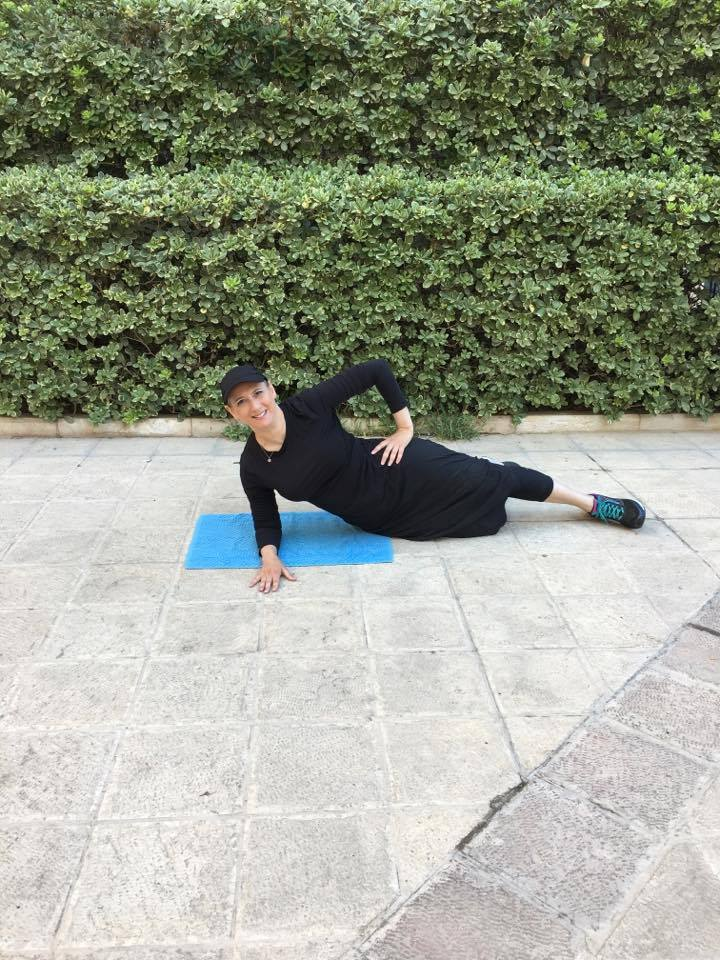
Side Plank
Side planking targets the obliques. Also works shoulders. Begin side-lying. Elbow directly under shoulder. Hips and knees stacked. Bottom leg bent. Top leg straight with foot on the floor. Spine in neutral.
Exhale as you lift the hips off the ground. Keep your abs engaged. Create space between your ribs and the floor. Leave the bottom knee and the top foot pressing onto the floor as you maintain your hip lifting. Inhale back to start. Repeat. Lifting and lowering the hip. Repeat on other side.
Modified Push-Up
Targets the anterior deltoid/front of the shoulder. Triceps/back of the arm and pectoralis major/chest. Begin on all fours/in tabletop position – hands and knees on the floor. Hands wider than shoulder width and fingers spread. Hands are about parallel to shoulders. Keeping your belly button drawn in toward your spine, shift your hips forward so your ears, shoulders, hips, and knees form one straight line.
Inhale as you bend at the elbow lowering your body toward the floor. Aim to lower the body such that a small orange could fit between your chest and the floor. Exhale as you straighten the elbows and push back up to start. Keep your spine in neutral by drawing your belly button toward your spine throughout this movement. Do not allow the low back to sag.
Keep ears, shoulders, hips, and knees in one straight line from beginning to end during this movement.
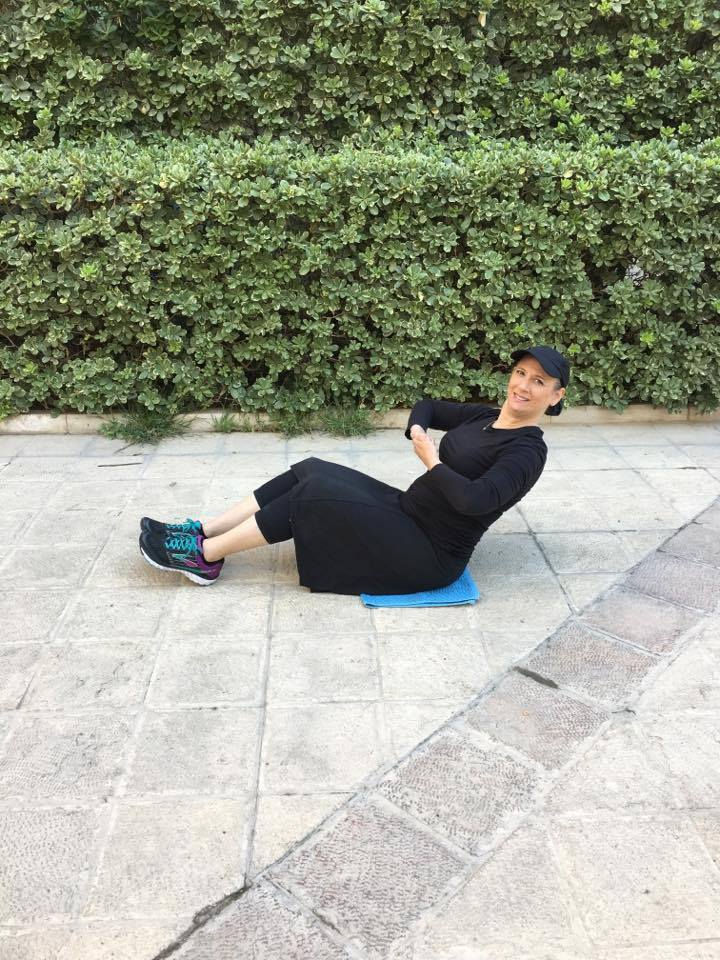
Seated Twist
Targets the abs. Begin seated. Heels on the floor. Legs together. Knees bent. Interlock your hands. Lean back with a neutral spine until you feel your abs engage. Twist slowly side to side.
Getting started
These six exercises work the major muscle groups with a focus on abs. They can be performed consecutively for 8-12 repetitions each as a complete circuit. Alternatively, they could also be performed with a timer for 30-45 seconds per exercise with a 10-15 second break between exercises. Be sure to listen to your body. Take it at your own pace and modify as necessary.
This circuit is designed for ladies without knee and/or low back issues. Always listen to your body. Check with your doctor before beginning any exercise program.
Happy working out!
Originally published in Jewess Magazine on י״ז באלול ה׳תשע״ז September 8, 2017
Can Weightlifting Help with Fine Lines & Wrinkles?
The short answer is YES!!!
I will admit, being in midlife has made me more vain. I am suddenly aware of the loss of firmness in my face and neck and the permanence of some (gasp) wrinkles. Although I’d had a face like a permanent oil slick during puberty and pimples galore it didn’t mean I skipped the wrinkles for having endured it. So when the opportunity for a free mini-facial presented itself at my local Spa, I took advantage of the pampering but didn’t expect anything other than a shiny face. Afterall, everyone knows exercise is supposed to really be the fountain of youth but my textured skin was something I was stuck with, so I thought. What learned has really changed my skin and my lifestyle.
I had thought that I had to live with my sunspots from using inadequate sun protection, and scars from those years of acne but I have since learned that with consistency, there are some very good products on the market now which can make things a lot better. Many people however, give up on them before seeing results which may be good but not give you say Jennifer Aniston’s face. Better than what you have now might take consistency and discipline in a skincare routine- which I haven’t had. However, in the hands of an expert, I sampled what it could feel like to have smoother skin and decided even if I didn’t reach skin perfection, even a little better was worth the effort.
For instance, I learned that Retinol (not recommended while pregnant) can resurface the skin and smooth pores and vitamin C can diminish the darkness of those sun-spots. However, it would take an investment of time and consistency and a little money. However, I’m at a point where its worth the investment. I think it will be empowering to be putting my best self forward. Even if it doesn’t make me a super-model, it will be my personal best and will likely enhance my self-esteem. Retinol can take 4-6 months to show any results and they may be subtle, so taking before and after pics are recommended. More people are probably following a skincare routine than a workout routine but the effects of each can be remarkable. We want and expect instant results, but sometimes it takes a professional to help us pinpoint the specific things that work best for our unique skin and save us time and frustration of going it alone or helping with the discipline to stick to it.
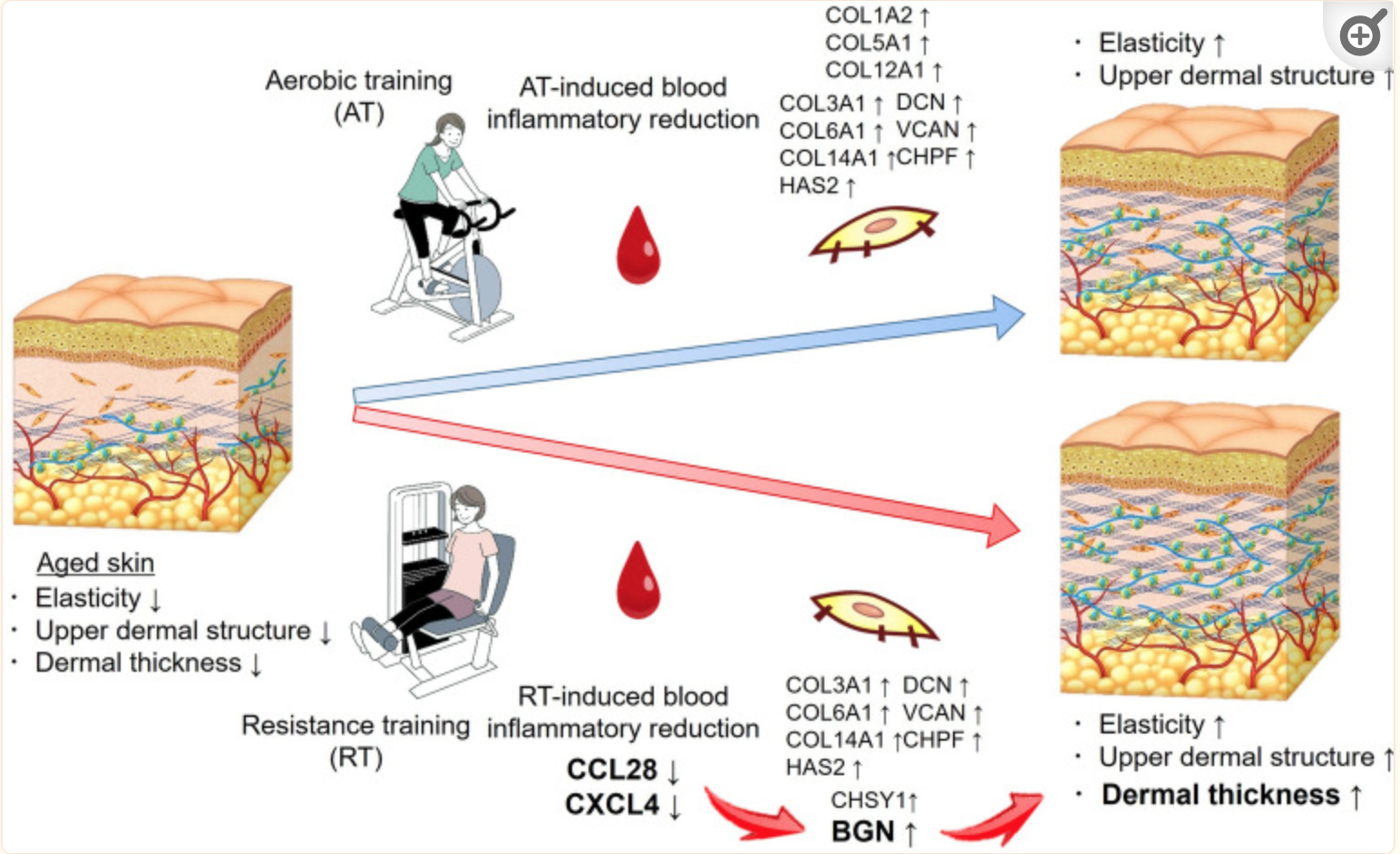
That said, there’s even better news that came out in the fountain of youth dept last week! A new study looked at endurance cardio training like cycling vs. resistance training. The study involved 61 sedentary Japanese women mostly in their 40’s and got them working out twice a week. They hooked the ladies up to fancy probes and ultrasound, took blood samples and looked at dermal thickness.
Inflammatory markers were down and growth factors were up. Elasticity of the skin improved with both resistance (ie. chest press, shoulder press, curls) and endurance (cardio) training. Dermal thickness and collagen increased with WEIGHTLIFTING! So with increased elasticity and increased dermal thickness we get less fine lines and wrinkles.
I do find this very motivating though we could use a larger scale study to replicate these findings. We already know all the ways exercise prevents heart disease, cancer, and diabetes. It can prolong your life. In my mind, if you combine your skincare routine, weightlifting, good nutrition and regeneration, you have a recipe for the fountain of youth! Maybe its not so bad to be vain.
I hope you found this motivating. If you need to sample how wonderful working out can make you look, feel, and perform, treat yourself to a session or a mini-session 1:1 or come to my class this week.
A little bit of soreness is a sign that you’ve challenged your muscles, it can also be uncomfortable and affect your day-to-day activities. Before reaching for that NSAID, here are some natural remedies you can use to ease sore muscles and recover faster from your workout:
Epsom Salt Bath
Epsom salt is a natural source of magnesium, a mineral that is essential for muscle function and recovery. Taking a warm bath with Epsom salt (magnesium sulfate) can help ease soreness by penetrating the skin, increasing blood flow and reducing inflammation. It also promotes relaxation. Add 1-2 cups of Epsom salt to a warm bath and soak for 15-30 minutes.
It’s important to note that Epsom salt is generally safe for most people when used as directed. However, if you have any medical conditions or concerns, it’s best to consult with a healthcare provider before using Epsom salt.
2. Theragun or other percussive massage:
Percussive massage devices like the Theragun can be used to massage sore muscles and increase blood flow, which can help to reduce muscle soreness. To use, simply apply the massage device to the sore area and move it around in circular motions or back and forth.. Best to stay on the muscles themselves.. and not bones or places between muscles-ouch.
3. Foam rolling
Foam Rolling is a form of self-massage that can help release tight spots in your muscles and improve flexibility. Use a foam roller to target your calves, quads, hamstrings, and back after your workout. (Avoid small bony areas like the neck)
To foam roll sore muscles, follow these steps:
Choose the right foam roller: There are many different types of foam rollers available, so choose one that is appropriate for your level of soreness and fitness level. A firmer roller will provide deeper pressure, while a softer roller will be more gentle.
Position yourself correctly: Place the foam roller on the ground and position your body so that the sore muscle is resting on the roller.
Apply pressure: Use your body weight to apply pressure to the sore muscle by slowly rolling back and forth over the foam roller. Focus on the areas that are most sore, but be careful not to put too much pressure on any one area.
Hold pressure: If you find a particularly sore or tight spot, hold pressure on that area for 10-30 seconds to help release tension.
4. Walking.
While it may be tempting to stay sedentary after a tough workout, walking can actually help ease soreness and promote recovery. Take a shleppy (less than brisk) walk for 20-30 minutes to get your blood flowing and help flush out toxins.
5. Proteins and Carbs within a magic window of time post-workout
Protein and carbohydrates: Consuming a balanced diet that is rich in protein and carbohydrates can help to support muscle recovery and reduce muscle soreness. Protein is important for muscle repair and growth, while carbohydrates are important for replenishing glycogen stores and providing energy for exercise. Consuming a protein-rich snack within 30 minutes after exercise may help to improve muscle recovery and reduce muscle soreness.
Some evidence suggests that you can get relief from muscle soreness by eating antioxidant-rich foods.
Watermelon, for instance, is rich in an amino acid called L-citrulline. Studies done in 2013 and 2017 suggest that this amino acid can reduce recovery heart rate and muscle soreness.
Other anti-inflammatory foods that have shown promise in treating muscle soreness are:
Tart Cherry Juice
cherry juice and Tart cherry juice contains anti-inflammatory compounds (antioxidents) that can help reduce muscle soreness and promote recovery. Drink a glass of 2-4 oz tart cherry juice diluted in 8 oz of water or seltzer or juice after your workout or before bed to help ease soreness and improve sleep quality.
Aloe Juice
Aloe vera is known for its healing properties, and drinking aloe juice can help reduce inflammation and promote recovery. Blend 1-2 tablespoons of aloe juice (you can find this at the natural food store) with your favorite fruits and vegetables for a refreshing post-workout smoothie.
Arnica
Arnica is an herbal remedy that has been used for centuries to ease pain and promote healing. Apply arnica cream or gel to sore muscles to help reduce inflammation and speed up recovery.
Bromelain is a natural enzyme found in pineapples that can help reduce inflammation and promote healing. Eat fresh pineapple or take a bromelain supplement to help ease soreness and speed up recovery.
Incorporating these natural remedies into your post-workout routine can help ease soreness and promote faster recovery. Remember to stay hydrated, eat a balanced diet, and get enough rest to support your body’s natural healing process.
When should you see a healthcare provider about sore muscles?
Delayed-onset muscle soreness doesn’t usually require medical attention. But you should see a healthcare provider if you have:
Exercise is an important part of a healthy lifestyle, and this is especially true during pregnancy. Regular exercise during pregnancy can provide numerous benefits for both the mother and the fetus. In this blog post, we will explore the benefits of exercise during pregnancy and provide tips for exercising safely.
Benefits of Exercise During Pregnancy
Improved overall health: Exercise can help to maintain a healthy weight, reduce the risk of gestational diabetes and hypertension, and improve cardiovascular health.
Reduced risk of cesarean delivery: Women who exercise during pregnancy may be less likely to require a cesarean delivery.
Reduced risk of preterm birth: Regular exercise during pregnancy has been associated with a lower risk of preterm birth.
Reduced risk of pregnancy complications: Exercise can help to reduce the risk of pregnancy complications such as preeclampsia, gestational diabetes, and preterm labor.
Improved mood and reduced stress: Exercise has been shown to improve mood and reduce stress, promoting a healthier pregnancy and potentially easier labor and delivery.
Reduced pregnancy-related discomfort: Exercise can help to alleviate common pregnancy-related discomforts such as back pain, constipation, and fatigue.
Healthier fetal growth: Exercise during pregnancy has been associated with healthier fetal growth and development.
How to Exercise Safely During Pregnancy
Before starting or continuing an exercise program during pregnancy, it is important to consult with your healthcare provider. Your provider can help you determine which exercises are safe and appropriate for you based on your health status and the stage of your pregnancy. Here are some general guidelines for safe and effective exercise during pregnancy:
Start slow and gradually increase the intensity of your workout: If you were not active before pregnancy, start with low-impact activities such as walking or swimming and gradually increase the duration and intensity of your workouts.
Choose low-impact exercises: Low-impact exercises such as walking, swimming, cycling, or prenatal yoga are generally safe for most pregnant women.
Stay hydrated and avoid getting overheated: Exercise in a cool, well-ventilated environment, and wear breathable clothing to avoid getting overheated. Drink plenty of water before, during, and after exercise to stay hydrated.
Some doctors suggest avoiding exercises that require you to lie flat on your back after the first trimester, because it can compress the vena cava, cause nausea, dizziness and reduce blood flow to the fetus and the mother’s brain. Others say that for short periods of time its not an issue. So check with your doc.
Listen to your body and adjust your exercise routine as needed: If you experience dizziness, shortness of breath, increased discharge or vaginal bleeding, stop exercising immediately and contact your healthcare provider.
Benefits to the Fetus
Regular exercise during pregnancy can promote healthier fetal growth and development. Studies have shown that exercise during pregnancy can lead to improved fetal oxygenation, increased placental weight, and reduced risk of fetal distress during labor. Additionally, babies born to mothers who exercised during pregnancy may have better cardiovascular health and improved cognitive function later in life.
In conclusion, regular exercise during pregnancy can bring numerous benefits for both the mother and the fetus. However, it’s essential to exercise safely and appropriately during this time to ensure the health and well-being of both. Talk to your healthcare provider about which exercises are safe for you, and listen to your body to make adjustments as needed. By staying active during pregnancy, you can help to promote a healthier pregnancy and potentially easier labor and delivery.
I just LOVE new sneakers. It tumbled out of my mouth today while in session with a client. I just realized I’m probably a bit more enthusiastic about this than your average person– and typically when our reactions are out of proportion there’s a historical aspect for us in that area, perhaps something traumatic. I almost held back but decided if I show up authentically without shame and shared my story, maybe it will help me or someone else to shed some needless shame.
When I was a little girl, my feet were so narrow I had to shop at a specialty shoe store where kids with wide feet and narrow feet and old people needing orthotics shopped. Some had feet so swollen they looked like bricks. I wanted so bad to wear Nikes like everyone else with medium feet and shop in a regular store. Shoes didn’t fit me right and it was hard to be comfortable. Still is; but one summer in an effort to try and get my feet to spread I wore moccasins. The front of my feet did spread but the heel didn’t, so I have narrow heels and need a shoe with a wider forefoot to make me comfortable but learned how to tie shoes in a runner’s loop so the heels don’t slip and now I can wear sneakers from lots of brands.
The pleasure I get from the comfort of new sneakers is enormous probably because of all I have had to go through. Well, it turns out my client then shared that her kids suffer with narrow feet and her boys have difficulty with heel slippage. I was able to share the special way I tie my shoes with her and save her kids from those heel blisters.
So basically because I was willing to be a little vulnerable, someone else didn’t have to suffer. The message: Be courageous. Healed? Pay it forward!
When your heel isn’t held firmly, your foot can slip forward and bump your toes against the front of your shoes.
Your fix is the Runner’s Loop:
Lace your shoes normally, crisscrossing them until you reach the second eyelet below the top on each side.
Instead of crossing over again, pull each lace end up on the same side, inserting it into the top eyelet on that side; you’ll form a loop.
Pull each lace end across and through the loop formed on the opposite side of the shoe.
Pull the lace ends up and out a few times in order to shrink down the loops so that they hold the lace securely on each side.
Finish by tying your shoelaces in the usual way.
Many shoe designs are built specifically to allow for the runner’s loop: They provide extra length in the laces and specific alignment of the last eyelets to give you the option of tying it.
Sneaker sales are historically on in January and April and you should replace your sneakers every 4-6 months depending on usage. Running shoes should be replaced every 300–500 miles. That’s because it’s around this point that the midsole cushioning on most shoes will lose resiliency and stop absorbing shock as well as when newer, which can cause more impact on your muscles and joints. This means that if you average 15 miles of running per week, then you’ll need to replace your shoes approximately every five to eight months. (If you track your runs with a GPS watch or your smartphone, it’s simple to figure out when you’re in the 300–500-mile range; otherwise you can estimate based on roughly how much you run each week.)
Here are additional factors that affect when to replace your running shoes:
Minimalist shoes have less cushioning, so expect them to be done around 300 miles.
Traditional running shoes and maximum cushioning shoes tend to last until around the 500-mile mark.
Heavier people will get fewer miles than lighter people, regardless of shoe type.
If you wear your running shoes casually, those miles also count toward the total.
Dirt on your shoes is no big deal, but if you see significant wear and tear, it may be time to retire your shoes. Keep an eye out for heel damage, worn soles and rips and tears.
If you notice new discomfort in your feet, legs, knees, hips or back after running, it may be time for a new pair of shoes. The same is true if you’re getting blisters or feeling hot spots where you never used to.
Q: Do I need Cross-Trainers?
Cross Trainers offer more lateral (side-to side) support than running shoes. Cross trainers allow for quick pivots, stops and starts whereas running shoes are often slightly elevated in the heel. An elevated heel in a running shoe helps propel a runner forward but doesn’t allow for the same side to side support in the forefoot needed in many HIIT workouts. It also shortens the calf muscle similar to a formal dress shoe or pump. This prohibits the athlete from achieving a full range in the squat or the lunge or the dead lift. I do suggest wearing cross-trainers for most personal training sessions and group fitness classes. There are a number of companies that make cross trainers and I don’t have a particular preference on brand. Find what fits well.
I have recently tested a few. If you have never tried a cross trainer or want to feel for yourself what qualities I have in mind for a good cross trainer in general for any of the workout classes or trainings I teach I have listed below, some good ones to try. When you try sneakers for cross training or any sport, practice the ways you will use those sneakers in the store! Yes, you may look a little funny, but its an athletic store and it only takes a few seconds to jump, do lateral lunges and pivot.
Nike Zoom Super Rep Go 3 Flyknit Nike FreeMetcon4 (11 different colors for women)or Metcon 5 (comes in 5 colors for women). I love this one for Metcon workouts, HIIT etc if it fits your foot and you like a sock type feel with a lot of flexibilty in the forefoot. Be prepared to try different sizes. Nike Air Zoom Super Rep 3 Nike Renew- good for NARROW feet (I prefer the older model without the stretch strap across the top [seriously, what were they thinking?] which can still be found at Citadel outlets in White only) Nike Air Max Bella Tr 5 Premium- only recommended for WIDE feet
I generally find Nike to run a little shorter heel to toe/smaller than some other brands. Keep this in mind and know that different models have variations as well. I like to order a couple sizes and select which is the better fit- which is typically a half size larger than your dress shoes. These are fairly easy to find around SoCal. Footlocker, Nike at the Grove, most malls will have one or more models.
ASICS only makes one shoe line that is suitable for training and is able to adequately support lateral motion. The Gel-Quantum series (360, 180, 90) are cross-training shoes that can be used for gym workouts such as lifting, cross fit, HIIT, P90X, Zumba, aerobics, or general sports activity. These shoes are not available in wide widths. I personally prefer the cushion and bounce of the 360 which has gel throughout the bottom for an extremely springy and resilient feel. Sizing is pretty true. I take the same size in Asics as Nike however the Asics generally offer more toe room. Since the Asics store in Century City closed, they are difficult to find in SoCal. Try the Asics site, Amazon or Zappos. The version 6 and the 7 are recommended in the Quantum 360. Color choices are somewhat more limited but something should suit as they’re not too crazy.
Reebok recently released the Nano3. It has a slightly different sole than the Nano2 which I found had an excellent fit for many types of feet and plenty of lateral support. It was a more grounded feel shoe overall and recommend if you prefer a firmer stiffer ride. The Nano 2 or 3 would be great for heavy lifts due to the flat rise on the sole. I also like these for boxing/kickboxing since I can pivot easily on some surfaces and yet allow for lateral support for quick stops and starts and lunges. In the x2 I took my regular size (which is a half size up from my dress shoes) whereas in the x3 I took the same size as my dress shoes (so they do run a little large IMO) The nano 3 also has an extra hole for a runner’s loop if you like to lock your ankles down a bit more. Both nano 2 and 3 feature a wider toe box and the shape of that toe box is slightly narrower on the side of the 3 than the 2 but both are the wider and roomier than many cross trainers on the market now. They also come in 10 colors for women and 14 colors for men!!!! Can you resist a lilac sneaker? They can be a little difficult to find in SoCal. I recommend the Citadel Outlets since they sometimes have them on sale or you can find the Nano2 if you are more budget conscious. DSW sometimes has as well.
Ryka makes good cross trainers. They design shoes specifically for women. Difficult to find this brand outside of Nordstrom Rack or Marshalls locally. Worth a try. They really “get it” when it comes to shoes for specific sports like dance fitness or kickbox or lifting.
Women’s regular is a B width whereas men’s shoes regular are a D width. Keep that in mind should you think your feet run wide or they’re out of your size in another brand.
I love cross trainers for cross training, weight lifting, HIIT, and kickbox. My preferred wear all day everyday or stand and wash dishes or go for a long walk shoe is still going to be a running shoe or at least a walking shoe with good stability.
Before the ink dried on my own new year’s fitness resolutions, the universe conspired to give me a one-two punch right back into bed with a cold. That got me thinking about the time back in college when I saw others “push through” a cold with exercise. My try at the same routine, back then, landed me in the infirmary with a case of mono. So, is it a good idea to work out when you’re sick or not?
The answer is clear – yes and no! Now that fitness is my career, I see a lot of objective differences between “working out” and physically moving the body, and it’s not just because “your workout is my warm-up.” [I don’t actually say that.] Seriously though, intensity is subjective and relative to the individual and also plays a role in the decision of whether you should work out with a cold and at what intensity if you do. Whether or not it’s advisable to work out also depends on your cold symptoms.
A workout that makes you breathe heavily, sweat, and work hard to the point of some discomfort, awakens a stress response in the body. When we’re healthy, it is precisely the adaptation to that stress in a progressive way that makes us stronger. Healthy bodies can adapt to that stress. However, the stress of this intense workout can overwhelm the immune system. This isn’t generally recommended when you’re sick. When you train hard, your body needs to repair the muscles that have been worked and this can further weaken your immune system.
Some find that lower intensity movement including things like:
Walking (preferably outdoors)
Leisurely biking or swimming
Some types of Yoga or T’ai Chi
…can boost immunity and help you recover faster (unless you are out of shape and/or have other stressors). Let your own perceived level of exertion be your guide in determining what is low intensity.
What shapes this recommendation is the scientific research which shows that when a healthy person exercises consistently and moderately, it strengthens immunity over time. Unusual, infrequent, sudden high intensity, or long-duration sessions can hamper immunity. Even more so, you should take it easy when sick.
Besides your current fitness level and consistency, consider what other stressors you may be facing on a given day. Anxiety, relationship stress, financial, career, environmental (hot/cold temperature outside), diet, sleep quantity and quality, age, obesity, and many emotional and physical health issues all play a part in your immunity and resilience.
I typically tell clients: Don’t exercise if you have a fever, widespread muscle aches, or fatigue; if your symptoms are “below the neck”—like diarrhea, upset stomach, chest congestion, or hacking cough.
However, it may be ok to exercise if your signs and symptoms are all “above the neck” — symptoms such as sneezing, nasal congestion, runny nose, or minor sore throat. If you choose to exercise when you have a mild cold, I recommend that you reduce the intensity and length of your workout so as not to risk more serious injury or illness. Also, be considerate and don’t contaminate others. Avoid the gym or other public places.
Listen to what your body is telling you! If you feel miserable, take a day off or even a week off. The few days won’t really affect performance.
Be sure to resume your normal routine gradually as you start to feel better. For instance, if you were sick for 3 days, consider taking 3 days to ease back in. Check with your doctor if you’re still unsure if it’s OK to work out.
If you’re healthy and want to prevent getting sick, the good news is that consistent, moderate exercise most days of the week is preventive for illness. Manage your stress and recovery, especially if you exercise with intensity. Wash your hands.
References:
Laskowski, Edward R. M.D. Exercise and illness: Work out with a cold?
As an Amazon Associate, I earn from qualifying purchases
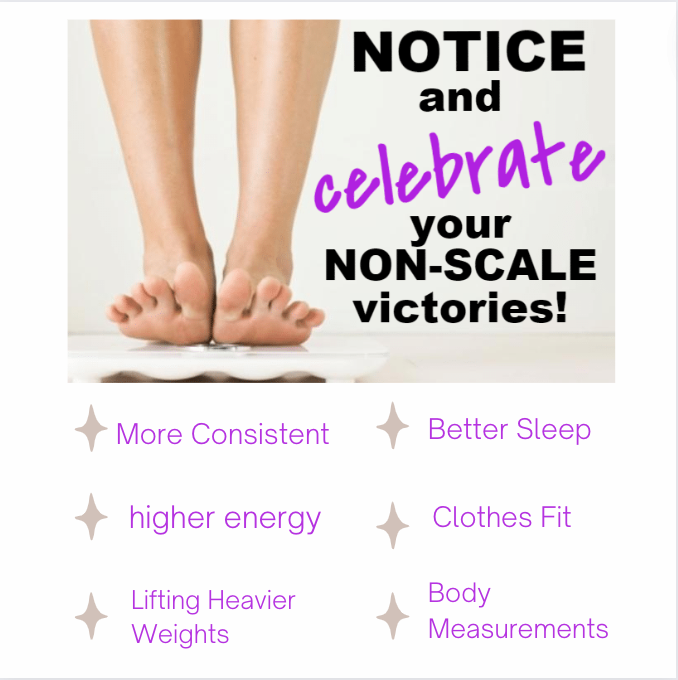
Long before the scale validates our hard work, physiological changes are actually happening. How do I know this? I suffer from Varicose veins- heavy tired feeling legs and unsightly blue veins in my legs. I had been exercising but the scale hadn’t changed much. Sometimes, it even went up, not down. Prior to getting some surgery to relieve the discomfort, I was required to get an ultrasound of my legs. Some of the valves in my leg veins weren’t functioning -which caused the blood to pool in the veins and thus the discomfort. The ultrasound tech asked if I’m an athlete. I said no. She asked how often I worked out. I said 4 days a week. She explained that she knew I was a regular exerciser because of the plentiful capillaries in my legs that come from working out over time. These capillaries are so important and can even save one’s life in case of a DVT or cardiac event. Wow. That’s something we can’t see. There are other measures that we can see and feel and its important that we track those non-scale victories because they help us stay motivated. But how do we track and measure them if we don’t have an ultrasound machine?
Measuring gains or losses in muscle size are hard to take on yourself. Every time you move or breathe, the tape measure changes placement. Also where you place the tape might be off by a few cm and completely change the numbers. Myotape is a retractable circular tape measure that leaves one of your hands free and allows you to stand straight to take your measurements. (I put some links on where you can purchase). I recommend taking measurements 3 times at each site and taking an average. This can also help you track your progress over time more accurately. You can use this CHART to keep track.
2. You can measure how much more weight you can lift or how many more reps you can lift for or how far you can walk without being out of breath. You can measure and track your resting heart rate. When your resting heart rate is lower, that means your heart is getting stronger. One way is to take your heart rate first thing in the morning. Before you get out of bed, just sit up and take your pulse for a minute. Track that measure over time.
3. We can chart and track how often we got to the gym, or lifted or took a walk. Consistency is success. It shows you have established healthy habits- the foundation for a healthy lifestyle.
5. What have you ADDED not subtracted? Are you eating more proteins and lean veggies? Track how many fruits and veggies you ate today, all week, all month?
6. Do you feel more confident? Have your friendships changed? Do you go places and try new things or new equipment?
As a trainer, I also know some ladies look better, shrink in size while the scale itself goes up or stay the same! Some people grow in size and look and feel better when the scale goes up or stays the same. It may matter but its only 1 of many ways to measure the success of your fitness program.
Most of my clients don’t care what the scale says. They just want to feel and move better. (I’m not opposed to physique goals). By shifting our focus off the scale, we’re not just moving the target! We are celebrating all the small victories that lead to our success. We are staying motivated and helping delay gratification and reminding ourselves that our intrinsic worth as a human (remember, created in “H image) has nothing at all to do with that square piece of plastic on our bathroom floor. We are also staying present in the Now, enjoying life today as we are.
As an Amazon Associate I earn from qualifying purchases
Supplements are controversial. Some say even with a perfect diet, due to soil depletion we need them for a healthy energetic life. Others ague that nutritional supplements have little to no value, can even be harmful and simply make supplement companies rich while you pee them out. These polarizing views each likely offer some element of truth but the simplicity and polarization often are masking complexity which the average consumer doesn’t have the headspace or qualifications to adequately explore.
While many of us believe that if a product is on the market, it must be ok to use, that isn’t always true. Countries differ in how they control these substances. The US FDA doesn’t test effectiveness, safety, or purity of nutritional supplements- including vitamins or protein powders and more. Aside from a kosher label, we don’t know if a supplement contains what the labels claims it does.
So I encourage you to ask yourself some questions before investing in and consuming a supplement;
How do I know I will benefit from this ie. have I looked at my current food intake, have I done nutritional testing?
What objective peer reviewed research demonstrates this supplement does what the manufacturer claims it will– without causing harm?
Why do I trust this manufacturer?
Reasons clients sometimes choose various supplements include needs for increased strength and endurance performance and recovery, prevention of deficiencies of micronutrients, convenience, enhance food absorption, reduce digestive issues, enhance fat utilization, reduce inflammation , improve insulin sensitivity, improve sleep, support bone and connective tissue.
Sometimes even if a supplement does what it says and is not harmful it needs to be taken in conjunction with other nutrients to be effective. Athletes need to know if supplements are on a banned substance list. Some supplements interact with other foods or drugs you may be taking. That’s why I’m often skeptical when non healthcare providers recommend specific supplements to everyone.
It is true that there’s largely little to no organization or accountability to make sure that the amounts reported on a label are consistent in a supplement, and that food is the best source of nutrients. There are some ways to research it yourself.
For years now, I have consulted with a couple of different Registered Dietitians as well as Joe Cannon who owns the consumer site https://supplementclarity.com Consumerlabs.com isn’t free (but they offer a free 5 day trial) They do brand testing and reviews. Labdoor.com reviews purity and label claims Examine.com is a site for reviewing evidence supporting specific supplements. The NSF does comprehensive third-party certification and testing of nutritional supplement for sport. and HFL Sport Science is a drug surveillance lab providing doping control and banned substances.
For many people, supplements are unnecessary. Many cannot be processed by the body, even can be harmful.
Even vitamin D has a variety of forms and might be more effective taken along with certain other minerals or vitamins and harmful taken other ways or in certain amounts. Ask your doc to explain or direct you to resources to help you optimize your supplementation if prescribed.
One client who replied to my question last week points out: “When I stopped taking vitamins I started being more careful about food.”- Alexandra Blaker
Do you research, and get to know yourself. It also doesn’t have to be all or nothing. You could supplement on some days and not others. Check with your healthcare provider. Nothing beats the nutrient power of a good diet.
Jan 4-10 Sprouts Market is offering 20% off supplements and bodycare Some say that Whole Foods offers sales on Fridays.
Some of my personal favorites are below.Check with your Doctor to see if they are right for you before consuming
As an Amazon Associate I earn from qualifying purchases.
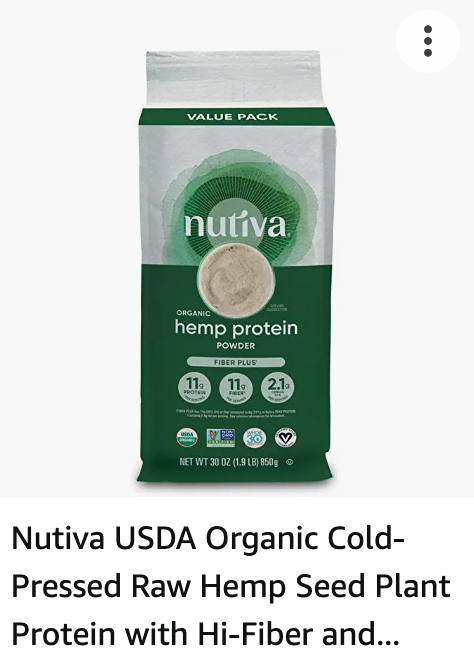
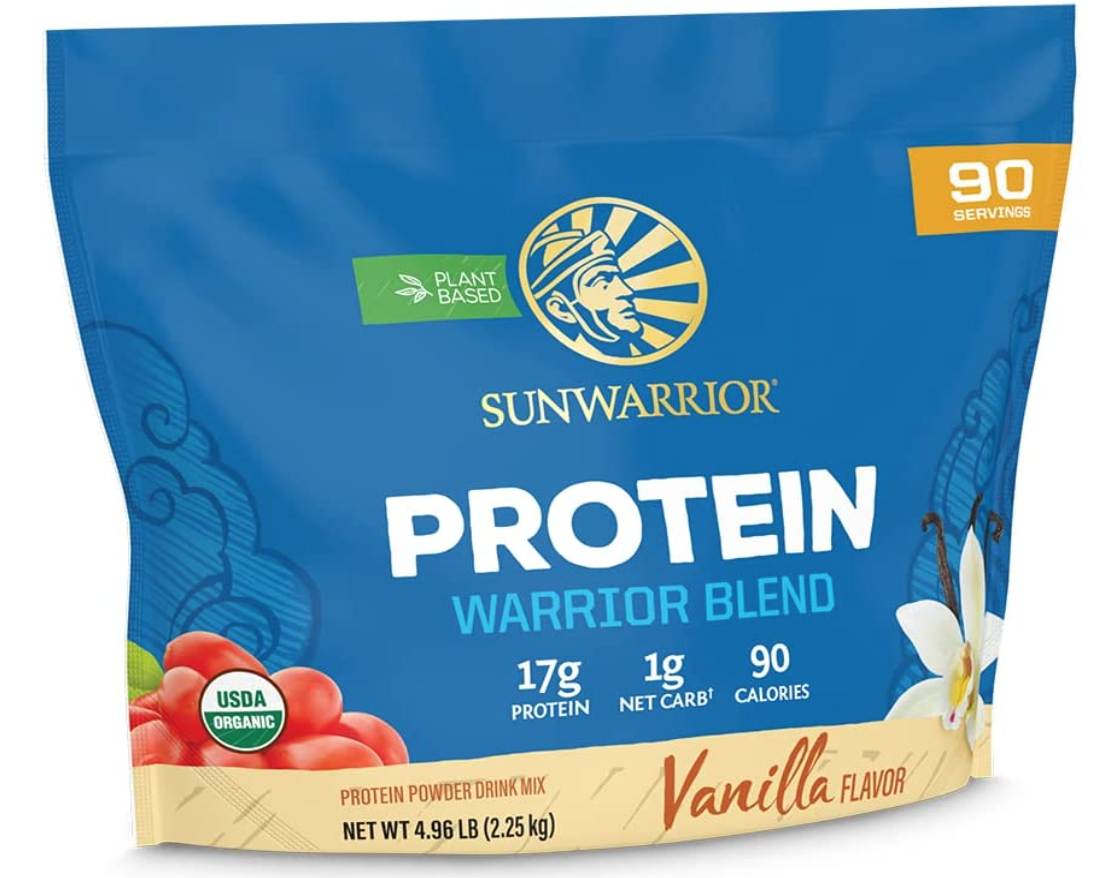
This one is famous for its smooth blending ability and good taste. It contains Stevia as the sweetner. It is a Whey protein.
Blender Bottle
This product is great for on the go blending of your protein powder with water, juice, nut milks or other liquids without a need for electricity. I even froth milk in it for a latte.
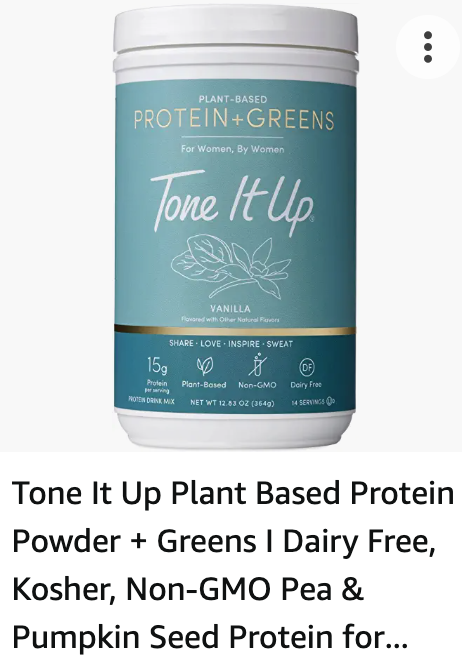
<a href=”http://<iframe sandbox=”allow-popups allow-scripts allow-modals allow-forms allow-same-origin” style=”width:120px;height:240px;” marginwidth=”0″ marginheight=”0″ scrolling=”no” frameborder=”0″ src=”//ws-na.amazon-adsystem.com/widgets/q?ServiceVersion=20070822&OneJS=1&Operation=GetAdHtml&MarketPlace=US&source=ss&ref=as_ss_li_til&ad_type=product_link&tracking_id=getfitwithkay-20&language=en_US&marketplace=amazon®ion=US&placement=B094W2N87W&asins=B094W2N87W&linkId=e980a87c809b0af25cc39fd08904ba05&show_border=true&link_opens_in_new_window=true”>Dairy Vanilla Protein Powder- Pea Protein Based
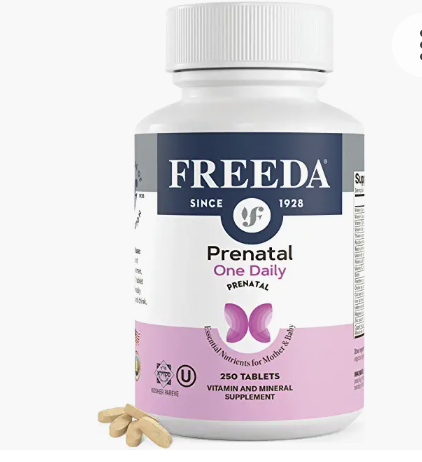
I liked that this one digests well. They do make a women age 40+ which contains Cohosh that probably gave me hot flashes…even though I’m in midlife I still prefer the regular women’s once daily.
Check with your LOR about kashrus since it has questionable certification but some/not all Rabbonim feel supplements may not require the same level of certification under certain circumstances. I use this on occasion with disposables. It adds to my feeling of satiety with coffee and I have noticed a smoother more plump texture to my cheeks.
You may have noticed a lack of soy protein recommended. Soy is often genetically modified. It is unclear if soy is right for everyone- particularly cancer survivors. It is also not in a fermented natural state but rather highly processed when in powder and there are plentiful alternatives recommended above.
This week, while I was down with that nasty cold that’s making its rounds, I caught up on studying for my Nutrition Certification with Precision Nutrition. While I have been doing nutrition coaching for a long time already, I didn’t enroll in a professional certification program before, mostly for financial reasons-these courses can top $1,000+, but also because I was skeptical of the value of such programs given the conflicting information out there, the lack of a national standard or international standard in nutrition education (outside the RD track which involves a 4 year degree, an internship and a national exam) and the wide availability of nutritional data in the public sphere which I had already incorporated into my coaching sessions (much of it from Precision Nutrition, among others). Investing in myself however and choosing one of the most reputable and longstanding certifications is proving not only to raise my confidence in the level of service I can be to my clients with the information I already have, but given me the support and resources and education to enhance the level of support I can give to my clients. It also re-energizes and re-ignites my passion as I learn new things -especially ones that bust myths such as the one about saturated fat I learned about recently that I want to share with you today.
Fat is high in calories- about 9 calories per gram.. Which doesn’t sound like a lot, but compared to alcohol at 7 grams and protein and carbs at 4 grams each respectively, fat is the definitive winner on bang for the buck. Its part of why eating just a few nuts can provide us with the same or greater amount of energy as a whole plate full of another kind of food. However it does make us feel full longer (it satiates us) and that’s a good thing. You would think the more fat you eat, the more fat you store in the body and jiggle around with- but the body isn’t that simple. As we know from the 1990s Fat-Free food trend, snackwell cakes and other highly palatable but fat-free foods (containing salt, sugar, awesome textures and colors) only increased what we call the obesity epidemic.
Saturated fat particularly got a bad rap. Saturated fat is in beef, lamb, eggs, butter, cheese, coconut and cacao (chocolate). I was disabused of the notion that they were linked to heart disease quite a while ago because they are high in cholesterol. The thinking (remember, back in the eggs bad era..) was that if we eat cholesterol we raise our cholesterol levels. Raised cholesterol levels lead to deposits in the arteries which for plaque which leads to heart disease and cardiovascular disease- the #1 killer. However, the body is more complicated and we actually make most of our own cholesterol just fine on our own in the liver, and we need cholesterol to do many important jobs in the body like make our sex hormones testosterone, progesterone and estrogen as well as make vitamin D, help the liver digest fats, and insulate our nerve cells. We also know foods like cacao have stearic acid which can be good for us. Yay chocolate. So, we can’t predict a food’s disease risk by how much saturated fat it has.
Here’s where my mind was blown though: A meta-analysis (a study that looks at a bunch of other studies and pulls all the findings together) found there’s no significant evidence for concluding dietary saturated fat is associated with an increased risk of CHD or CVD.” For instance, a 2013 article in the British Medical Journal points out that, ⅔ of people admitted to the hospital for a heart attack “really have metabolic syndrome-but 75% of these patients have completely normal total cholesterol concentrations.” “The biggest culprit in many chronic diseases including cardiovascular disease is excess body fat, which leads to systemic inflammation and metabolic disruption from things like insulin resistance.”
In a nutshell, overall excess energy intake (especially highly palatable processed foods which disrupt our feelings of fullness and cause us to eat more and thus store more as adipose tissue/body fat, upsets the metabolism and increases insulin resistance which leads to inflammation and disease. So, THAT is why we should move more- since movement combats insulin resistance and we should eat more whole, natural, less- processed and maybe more boring foods. It’s empowering though- because now all we have to do is find ways to make getting protein, fats and carbs and movement more exciting- which is about behavior change/forming new habits. This is something completely in my domain as a Personal Trainer, and yours, as a human being who wants to show your body love.



















 Get Fit With Kayla