Injuries, Soreness/Pain, Uncategorized

Natural Methods to Ease Muscle Soreness

A little bit of soreness is a sign that you’ve challenged your muscles, it can also be uncomfortable and affect your day-to-day activities. Before reaching for that NSAID, here are some natural remedies you can use to ease sore muscles and recover faster from your workout:

  1. Epsom Salt Bath

Epsom salt is a natural source of magnesium, a mineral that is essential for muscle function and recovery. Taking a warm bath with Epsom salt (magnesium sulfate) can help ease soreness by penetrating the skin, increasing blood flow and reducing inflammation. It also promotes relaxation. Add 1-2 cups of Epsom salt to a warm bath and soak for 15-30 minutes.

It’s important to note that Epsom salt is generally safe for most people when used as directed. However, if you have any medical conditions or concerns, it’s best to consult with a healthcare provider before using Epsom salt.

2 Theragun or other percussive massage:

Percussive massage devices like the Theragun can be used to massage sore muscles and increase blood flow, which can help to reduce muscle soreness. To use, simply apply the massage device to the sore area and move it around in circular motions or back and forth.. Best to stay on the muscles themselves.. and not bones or places between muscles-ouch.

3. Foam rolling

Foam Rolling is a form of self-massage that can help release tight spots in your muscles and improve flexibility. Use a foam roller to target your calves, quads, hamstrings, and back after your workout. (Avoid small bony areas like the neck)

To foam roll sore muscles, follow these steps:

  1. Choose the right foam roller: There are many different types of foam rollers available, so choose one that is appropriate for your level of soreness and fitness level. A firmer roller will provide deeper pressure, while a softer roller will be more gentle.
  2. Position yourself correctly: Place the foam roller on the ground and position your body so that the sore muscle is resting on the roller.
  3. Apply pressure: Use your body weight to apply pressure to the sore muscle by slowly rolling back and forth over the foam roller. Focus on the areas that are most sore, but be careful not to put too much pressure on any one area.
  4. Hold pressure: If you find a particularly sore or tight spot, hold pressure on that area for 10-30 seconds to help release tension.

4. Walking.

While it may be tempting to stay sedentary after a tough workout, walking can actually help ease soreness and promote recovery. Take a shleppy (less than brisk) walk for 20-30 minutes to get your blood flowing and help flush out toxins.

5. Proteins and Carbs within a magic window of time post-workout

 Protein and carbohydrates: Consuming a balanced diet that is rich in protein and carbohydrates can help to support muscle recovery and reduce muscle soreness. Protein is important for muscle repair and growth, while carbohydrates are important for replenishing glycogen stores and providing energy for exercise. Consuming a protein-rich snack within 30 minutes after exercise may help to improve muscle recovery and reduce muscle soreness.

Some evidence suggests that you can get relief from muscle soreness by eating antioxidant-rich foods.

Watermelon, for instance, is rich in an amino acid called L-citrulline. Studies done in 2013 and 2017 suggest that this amino acid can reduce recovery heart rate and muscle soreness.

Other anti-inflammatory foods that have shown promise in treating muscle soreness are:

Tart Cherry Juice

cherry juice and Tart cherry juice contains anti-inflammatory compounds (antioxidents) that can help reduce muscle soreness and promote recovery. Drink a glass of 2-4 oz tart cherry juice diluted in 8 oz of water or seltzer or juice after your workout or before bed to help ease soreness and improve sleep quality.

Aloe Juice

Aloe vera is known for its healing properties, and drinking aloe juice can help reduce inflammation and promote recovery. Blend 1-2 tablespoons of aloe juice (you can find this at the natural food store) with your favorite fruits and vegetables for a refreshing post-workout smoothie.

Arnica

Arnica is an herbal remedy that has been used for centuries to ease pain and promote healing. Apply arnica cream or gel to sore muscles to help reduce inflammation and speed up recovery.

Pineapple

Bromelain is a natural enzyme found in pineapples that can help reduce inflammation and promote healing. Eat fresh pineapple or take a bromelain supplement to help ease soreness and speed up recovery.

Incorporating these natural remedies into your post-workout routine can help ease soreness and promote faster recovery. Remember to stay hydrated, eat a balanced diet, and get enough rest to support your body’s natural healing process.

When should you see a healthcare provider about sore muscles?

Delayed-onset muscle soreness doesn’t usually require medical attention. But you should see a healthcare provider if you have: 

  • Severe or debilitating pain 
  • Very swollen limbs 
  • Loss of range of motion due to severe swelling
  • Dark urine or less frequent urination 
  • Persistent pain that lasts longer than a week
Uncategorized

Surprising Benefits of Exercise During Pregnancy

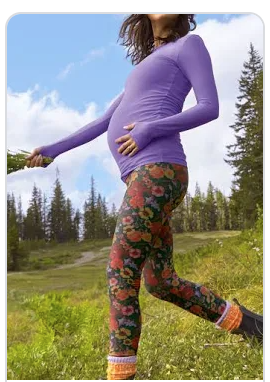
Exercise is an important part of a healthy lifestyle, and this is especially true during pregnancy. Regular exercise during pregnancy can provide numerous benefits for both the mother and the fetus. In this blog post, we will explore the benefits of exercise during pregnancy and provide tips for exercising safely.

Benefits of Exercise During Pregnancy

  1. Improved overall health: Exercise can help to maintain a healthy weight, reduce the risk of gestational diabetes and hypertension, and improve cardiovascular health.
  2. Reduced risk of cesarean delivery: Women who exercise during pregnancy may be less likely to require a cesarean delivery.
  3. Reduced risk of preterm birth: Regular exercise during pregnancy has been associated with a lower risk of preterm birth.
  4. Reduced risk of pregnancy complications: Exercise can help to reduce the risk of pregnancy complications such as preeclampsia, gestational diabetes, and preterm labor.
  5. Improved mood and reduced stress: Exercise has been shown to improve mood and reduce stress, promoting a healthier pregnancy and potentially easier labor and delivery.
  6. Reduced pregnancy-related discomfort: Exercise can help to alleviate common pregnancy-related discomforts such as back pain, constipation, and fatigue.
  7. Healthier fetal growth: Exercise during pregnancy has been associated with healthier fetal growth and development.

How to Exercise Safely During Pregnancy

Before starting or continuing an exercise program during pregnancy, it is important to consult with your healthcare provider. Your provider can help you determine which exercises are safe and appropriate for you based on your health status and the stage of your pregnancy. Here are some general guidelines for safe and effective exercise during pregnancy:

  1. Start slow and gradually increase the intensity of your workout: If you were not active before pregnancy, start with low-impact activities such as walking or swimming and gradually increase the duration and intensity of your workouts.
  2. Choose low-impact exercises: Low-impact exercises such as walking, swimming, cycling, or prenatal yoga are generally safe for most pregnant women.
  3. Stay hydrated and avoid getting overheated: Exercise in a cool, well-ventilated environment, and wear breathable clothing to avoid getting overheated. Drink plenty of water before, during, and after exercise to stay hydrated.
  4. Some doctors suggest avoiding exercises that require you to lie flat on your back after the first trimester, because it can compress the vena cava, cause nausea, dizziness and reduce blood flow to the fetus and the mother’s brain. Others say that for short periods of time its not an issue. So check with your doc.
  5. Listen to your body and adjust your exercise routine as needed: If you experience dizziness, shortness of breath, increased discharge or vaginal bleeding, stop exercising immediately and contact your healthcare provider.

Benefits to the Fetus

Regular exercise during pregnancy can promote healthier fetal growth and development. Studies have shown that exercise during pregnancy can lead to improved fetal oxygenation, increased placental weight, and reduced risk of fetal distress during labor. Additionally, babies born to mothers who exercised during pregnancy may have better cardiovascular health and improved cognitive function later in life.

In conclusion, regular exercise during pregnancy can bring numerous benefits for both the mother and the fetus. However, it’s essential to exercise safely and appropriately during this time to ensure the health and well-being of both. Talk to your healthcare provider about which exercises are safe for you, and listen to your body to make adjustments as needed. By staying active during pregnancy, you can help to promote a healthier pregnancy and potentially easier labor and delivery.

Exercise, General Health, Q&A

All About Sneakers.. and Vulnerability


I just LOVE new sneakers. It tumbled out of my mouth today while in session with a client. I just realized I’m probably a bit more enthusiastic about this than your average person– and typically when our reactions are out of proportion there’s a historical aspect for us in that area, perhaps something traumatic. I almost held back but decided if I show up authentically without shame and shared my story, maybe it will help me or someone else to shed some needless shame.

When I was a little girl, my feet were so narrow I had to shop at a specialty shoe store where kids with wide feet and narrow feet and old people needing orthotics shopped. Some had feet so swollen they looked like bricks. I wanted so bad to wear Nikes like everyone else with medium feet and shop in a regular store. Shoes didn’t fit me right and it was hard to be comfortable. Still is; but one summer in an effort to try and get my feet to spread I wore moccasins. The front of my feet did spread but the heel didn’t, so I have narrow heels and need a shoe with a wider forefoot to make me comfortable but learned how to tie shoes in a runner’s loop so the heels don’t slip and now I can wear sneakers from lots of brands.

The pleasure I get from the comfort of new sneakers is enormous probably because of all I have had to go through. Well, it turns out my client then shared that her kids suffer with narrow feet and her boys have difficulty with heel slippage. I was able to share the special way I tie my shoes with her and save her kids from those heel blisters.

So basically because I was willing to be a little vulnerable, someone else didn’t have to suffer. The message: Be courageous. Healed? Pay it forward!

When your heel isn’t held firmly, your foot can slip forward and bump your toes against the front of your shoes. 

Your fix is the Runner’s Loop:

  1. Lace your shoes normally, crisscrossing them until you reach the second eyelet below the top on each side.
  2. Instead of crossing over again, pull each lace end up on the same side, inserting it into the top eyelet on that side; you’ll form a loop.
  3. Pull each lace end across and through the loop formed on the opposite side of the shoe.
  4. Pull the lace ends up and out a few times in order to shrink down the loops so that they hold the lace securely on each side.
  5. Finish by tying your shoelaces in the usual way.

Many shoe designs are built specifically to allow for the runner’s loop: They provide extra length in the laces and specific alignment of the last eyelets to give you the option of tying it.

Sneaker sales are historically on in January and April and you should replace your sneakers every 4-6 months depending on usage. Running shoes should be replaced every 300–500 miles. That’s because it’s around this point that the midsole cushioning on most shoes will lose resiliency and stop absorbing shock as well as when newer, which can cause more impact on your muscles and joints. This means that if you average 15 miles of running per week, then you’ll need to replace your shoes approximately every five to eight months. (If you track your runs with a GPS watch or your smartphone, it’s simple to figure out when you’re in the 300–500-mile range; otherwise you can estimate based on roughly how much you run each week.)

Here are additional factors that affect when to replace your running shoes:

  • Minimalist shoes have less cushioning, so expect them to be done around 300 miles.
  • Traditional running shoes and maximum cushioning shoes tend to last until around the 500-mile mark.
  • Heavier people will get fewer miles than lighter people, regardless of shoe type.
  • If you wear your running shoes casually, those miles also count toward the total.
  • Dirt on your shoes is no big deal, but if you see significant wear and tear, it may be time to retire your shoes. Keep an eye out for heel damage, worn soles and rips and tears.
  • If you notice new discomfort in your feet, legs, knees, hips or back after running, it may be time for a new pair of shoes. The same is true if you’re getting blisters or feeling hot spots where you never used to.

Q: Do I need Cross-Trainers?

Cross Trainers offer more lateral (side-to side) support than running shoes. Cross trainers allow for quick pivots, stops and starts whereas running shoes are often slightly elevated in the heel. An elevated heel in a running shoe helps propel a runner forward but doesn’t allow for the same side to side support in the forefoot needed in many HIIT workouts. It also shortens the calf muscle similar to a formal dress shoe or pump. This prohibits the athlete from achieving a full range in the squat or the lunge or the dead lift. I do suggest wearing cross-trainers for most personal training sessions and group fitness classes. There are a number of companies that make cross trainers and I don’t have a particular preference on brand. Find what fits well.

I have recently tested a few. If you have never tried a cross trainer or want to feel for yourself what qualities I have in mind for a good cross trainer in general for any of the workout classes or trainings I teach I have listed below, some good ones to try. When you try sneakers for cross training or any sport, practice the ways you will use those sneakers in the store! Yes, you may look a little funny, but its an athletic store and it only takes a few seconds to jump, do lateral lunges and pivot.

Nike Zoom Super Rep Go 3 Flyknit
Nike Free Metcon4 (11 different colors for women)or Metcon 5 (comes in 5 colors for women). I love this one for Metcon workouts, HIIT etc if it fits your foot and you like a sock type feel with a lot of flexibilty in the forefoot. Be prepared to try different sizes.
Nike Air Zoom Super Rep 3
Nike Renew- good for NARROW feet (I prefer the older model without the stretch strap across the top [seriously, what were they thinking?] which can still be found at Citadel outlets in White only)
Nike Air Max Bella Tr 5 Premium- only recommended for WIDE feet

I generally find Nike to run a little shorter heel to toe/smaller than some other brands. Keep this in mind and know that different models have variations as well. I like to order a couple sizes and select which is the better fit- which is typically a half size larger than your dress shoes. These are fairly easy to find around SoCal. Footlocker, Nike at the Grove, most malls will have one or more models.


ASICS only makes one shoe line that is suitable for training and is able to adequately support lateral motion. The Gel-Quantum series (360, 180, 90) are cross-training shoes that can be used for gym workouts such as lifting, cross fit, HIIT, P90X, Zumba, aerobics, or general sports activity. These shoes are not available in wide widths. I personally prefer the cushion and bounce of the 360 which has gel throughout the bottom for an extremely springy and resilient feel. Sizing is pretty true. I take the same size in Asics as Nike however the Asics generally offer more toe room. Since the Asics store in Century City closed, they are difficult to find in SoCal. Try the Asics site, Amazon or Zappos. The version 6 and the 7 are recommended in the Quantum 360. Color choices are somewhat more limited but something should suit as they’re not too crazy.

Reebok recently released the Nano3. It has a slightly different sole than the Nano2 which I found had an excellent fit for many types of feet and plenty of lateral support. It was a more grounded feel shoe overall and recommend if you prefer a firmer stiffer ride. The Nano 2 or 3 would be great for heavy lifts due to the flat rise on the sole. I also like these for boxing/kickboxing since I can pivot easily on some surfaces and yet allow for lateral support for quick stops and starts and lunges. In the x2 I took my regular size (which is a half size up from my dress shoes) whereas in the x3 I took the same size as my dress shoes (so they do run a little large IMO) The nano 3 also has an extra hole for a runner’s loop if you like to lock your ankles down a bit more. Both nano 2 and 3 feature a wider toe box and the shape of that toe box is slightly narrower on the side of the 3 than the 2 but both are the wider and roomier than many cross trainers on the market now. They also come in 10 colors for women and 14 colors for men!!!! Can you resist a lilac sneaker? They can be a little difficult to find in SoCal. I recommend the Citadel Outlets since they sometimes have them on sale or you can find the Nano2 if you are more budget conscious. DSW sometimes has as well.

Ryka makes good cross trainers. They design shoes specifically for women. Difficult to find this brand outside of Nordstrom Rack or Marshalls locally. Worth a try. They really “get it” when it comes to shoes for specific sports like dance fitness or kickbox or lifting.

Women’s regular is a B width whereas men’s shoes regular are a D width. Keep that in mind should you think your feet run wide or they’re out of your size in another brand.

I love cross trainers for cross training, weight lifting, HIIT, and kickbox. My preferred wear all day everyday or stand and wash dishes or go for a long walk shoe is still going to be a running shoe or at least a walking shoe with good stability.

Exercise, Fitness Goals, General Health, Motivation

Let’s Get Moving: 5 Tips for Getting Back into Fitness

Help, I’ve Fallen off the Exercise Wagon

Screen Shot 2019-10-28 at 11.23.11 PM
How to Ease Back Into Fitness

If you just spent the last month like I did: (a) With a piece of honey cake in one hand and a cup of coffee in the other, (b) Doing an exercise routine exclusively made up of balancing hot dishes on one arm while walking laps in and out of the house, (c) where regeneration activity included multiple hours seated in meaningful contemplation or reading, or… (d) All of the above, plus sullen concerns about your lack of energy and expanding waistline…Then you will want to read on about how to bounce back into working out.

First: Let’s get real about expectations. You will want to pick up where you left off. This generally means you will want to return to the couch (Remember a body at rest tends to stay at rest from physics class in High School?!?) or, You will want to become the quintessential weekend warrior and jump headlong into intense cardio and double sessions in the gym. I want to take this moment to help you pause and do neither of those instinctive but completely unproductive impulses.

Instead, follow my

5 tips for getting back into exercise and fitness in a sustainable way:

1. Prepare for success. Lay your workout clothes and sneakers out before you go to bed. Schedule the workout in your planner and block out interruptions. Do that workout before you have time to think about it…because thinking during the next two weeks (your break back in period) will only get in your way. We want this on auto-pilot because deciding to work out and actually getting there is the hardest part. Short-circuiting the decision part is key. So stack that workout habit on top of some other firmly established habit (like waking up in the morning) and do it in a way that keeps it front of mind- i.e. having the sneakers in your visual space or the phone appointment alarm.

2. Begin the way you mean to go on. Plan on ONE thing you can stick with consistently FOREVER. Maybe that’s a 10 minute walk. Maybe that’s a 10 minute walk three times a week. Maybe that’s a 10 minute walk plus 20 situps and 10 modified pushups and a stretch. Pick that one thing you could reasonably, easily stick with for the rest of your life… and do it consistently for the next two weeks.

Resist the urge to give 110% these first two weeks. You want to work out to a point where you notice there was something happening but not so sore you can’t move (and sometimes you can’t tell because soreness doesn’t kick in until 24-48 hours after, so it’s ok to do a little less than you think you can that first time.) This is NOT the time to push your limits. You do not want to miss a workout these first two weeks. Consistency IS success. Soreness is not the indicator of success. I’m fairly certain you didn’t plan to go on needing to hold onto the walls easing yourself onto the toilet because …leg day.

3.Figure out your WHY and write that down. Why do you want to get fit? Want to not die so soon? Write it down. Want to look awesome for your niece’s wedding. Write it down. Need to get up the stairs without passing out? Whatever that “WHY” is, figure it out now, and write it down. Read what you wrote down often. Put it in your phone. Make a collage about it. When you have a meaningful reason, you can withstand the discomfort of making space in your life to commit to it.

4. Have Fun. The more fun you have while doing the workout the more you will stick with it. Maybe you fell off the wagon because you were bored. Then try something new- a new class, a new sport, something which used to make you smile but you gave up years ago like dancing in your bedroom like Madonna to show tunes.

5. Get support. Need a sports bra, get it. New sneakers? Need to dial a friend, a counselor, a coach, a trainer? You can’t do this alone. You need support so plan that out. Register for a class or take that walk Wednesday with a friend. Call a trainer or a sports med doc or a physical therapist if needed, so you can move better.

Periods of time off can break a plateau and even help reinvigorate your excitement and desire to exercise. Observing the Jewish holidays practically enforces a degree of moderation, and even regeneration (a key component of fitness), so don’t sweat it. It’s an overall sedentary lifestyle that becomes detrimental for our wellbeing but following these tips will allow you to ease back into sustainable exercise.

—–

Another version of this article appeared in LA Jewish Home October 20, 2022 (a newspaper serving the Greater Los Angeles Jewish Community)

Body Image, Fitness Goals, General Health, Motivation

Unlimited

Even if right now you are living with pain, obesity, gut disorders, sleep issues, low energy, or simply not feeling strong confident and energized much of the time, that doesn’t have to be how you feel forever. Everyone deserves to feel good in their body.

However, sometimes its FEAR that is holding us back. That F.E.A.R. serves a purpose …that is, until it no longer serves us. F.E.A.R. is an acronym which stands for false evidence appearing real. I’ve also seen it listed as F.A.T. False info Appearing True… What are some of these false beliefs?

  • Aches and pains are a normal part of aging.
  • I can’t afford the time or money to work out regularly
  • I’ve tried EVERYTHING when it comes to exercise but nothing works for me
  • I don’t have good genes for working out so I’ll never be good at it
  • I’m likely to get hurt if I work out and I don’t like feeling pain

Just look at some of these… are they real or have other DECISIONS been made which makes these appear like facts when in reality they are temporary.

For instance, can you really not afford the time or money it takes for an enjoyable workout? Or do you plan and save for other things and not prioritize your health? Could you reframe and exercise in 5-10 minute segments while baby is sleeping if you can’t get in a whole hour at once? Is midlife spread inevitable or a result of unwitting choices made from a lack of information about metabolism in midlife? Have you tried everything? Do you think that genes are destiny or that you can make choices which influence the expression of those genes-choices which can be mirrored by the next generation and become their inheritance?

In what way do beliefs such as these actually serve you? What are your F.E.A.R.S protecting you from? How do they constrain your potential? Do they do both?

I don’t think all limitations or limiting beliefs are necessarily detrimental! Sometimes they protect us from having to face deeper emotions we don’t necessarily want to feel or they allow for comfort. They serve us until they don’t serve us.

Consider unlocking your potential by trying this 7 day Unlimited Challenge. Its 7 days of access to unlimited on-demand classes.

https://getfitwithkayla.on.recess.tv/embed/checkout/explore/packages?
Body Image, Diet, Exercise, General Health

Is Obesity a CHOICE?

Trigger Warning: 

This post involves discussions of Weight. If such topics are distressing or triggering to you please consider employing self-care tools and strategies which may include not reading this.

A February 2021 survey by the American Psychological Association reveals how the pandemic has led to unwanted weight gain.42% of US adults gained unwanted weight during the pandemic.52% of Gen Z adults report undesired weight gain, with an average gain of 28 pounds.48% of millennials report undesired weight gain, with an average gain of 41 pounds.Yet despite these statistics, for better health and a longer life span, exercise is more important than weight loss.

 An interesting new scientific review of the relationships between fitness, weight, heart health and longevity found that obese people typically lower their risks of heart disease and premature death far more by gaining fitness than by dropping weight or dieting.

The review adds to mounting evidence that most of us can be healthy at any weight, if we are also active enough.

Glenn Gaesser, a professor of exercise physiology at Arizona State University in Phoenix (My alma matter, BTW), found overweight and obese people with significant health problems, including high blood pressure, poor cholesterol profiles or insulin resistance, a marker for Type 2 diabetes, showed considerable improvements in those conditions after they started exercising, whether they dropped any weight or not. The studies show that even if no weight is lost, obese and formerly sedentary individuals can  lower their risk of premature death by as much as 30 percent or more.

And now, because the science needs to also explain that water is wet:

“Some past research shows that people who start to exercise rarely lose much, if any, weight, unless they also cut back substantially on food intake because the exercise they are doing burns too few calories and because they compensate for some caloric burn during exercise by eating more calories afterwards.”

This information begs the question: Is Obesity a Choice?

This short answer is..not usually. Sure genetics and bone structure, genes and upbringing play a part. However, some of us eat more and/or move less when stressed or anxious or depressed.. and for others its just the opposite! Some of us find sweet foods satisfying in some situations and salty in others (hint: there are actual biological reasons for craving salty in some situations and sweet in others–and its part of the glorious way or bodies are pre-programmed for survival).

Sometimes people are making choices, but they are only semi-conscious of them-for instance out of self-harm as a trauma response. Other times we don’t even know we are making choices because we are simply unaware of alternatives or we have never been educated about the way that stimuli such as emotions and specific foods trigger different responses within the body that set us up for a cascade of effects that are displayed visually or on our bloodwork results…

Information like how to combine which foods to achieve stable blood sugar and lower insulin response. A sensitive balanced insulin response can increase your sensitivity to feelings of hunger and fullness. That is necessary for true agency in one’s health outcomes (and visual outcomes). Listening to one’s body only works well when the body is working to give us those signals otherwise the whole system is rigged against us succeeding from the start (if our goal is to “listen to the body”).

There is a whole science behind options including which foods to combine or eat and when if you want to decrease cravings overall. Or which foods can make you feel fuller longer or think more clearly or have more energy.  Which type of exercises performed which way for how long will make you hungrier and which will enable you to feel more full after the workout. If you would like to know more about those things, so you are more empowered to make changes smarter not harder,  it is something I coach my 1:1 Private clients on.

Some people say, I can’t train with you Kayla, you’ve never been overweight like me. I have never been you, but there have been times I was overweight (5’5″ 172lb not pregnant, and 175 when pregnant) and I have also been mocked for appearing underweight (young teen), Fortunately I have mostly been in the normal range. I have discovered ways to hack the system both from reading and studying and talking to pros about it to be more stable over time and some of it has to do with hearing relatives who do have a good relationship with their bodies and food while growing up-which helps me reflect back to my clients when something seems off track.  I’ve survived illnesses, injuries, and other setbacks. I’ve had a few pregnancies too…and struggled sometimes there too.  Its important to select a trainer and coach (sometimes a counselor and/or RD) who does get you and who you are comfortable with and have the conversations so it can become more of a choice that your body is rigged to help you with instead of fighting with your body.